With over 1,500 different sweets to choose from, you’ve landed in the right place. Whether you’re after something to share, something to stash in your desk drawer, or you’re rebuilding a pick ‘n’ mix from scratch, this is the full run of what we’ve got.
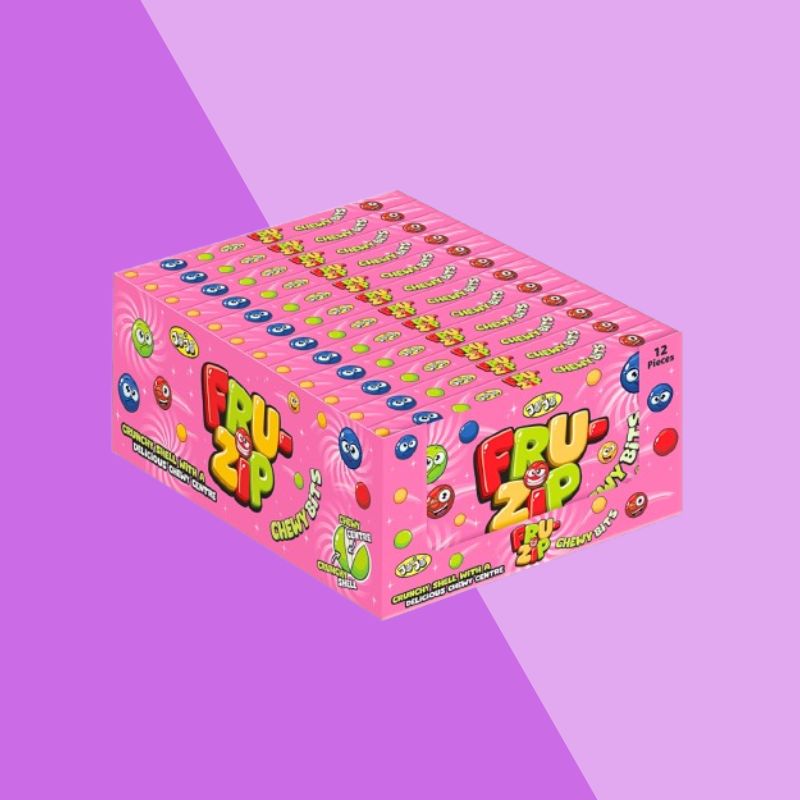
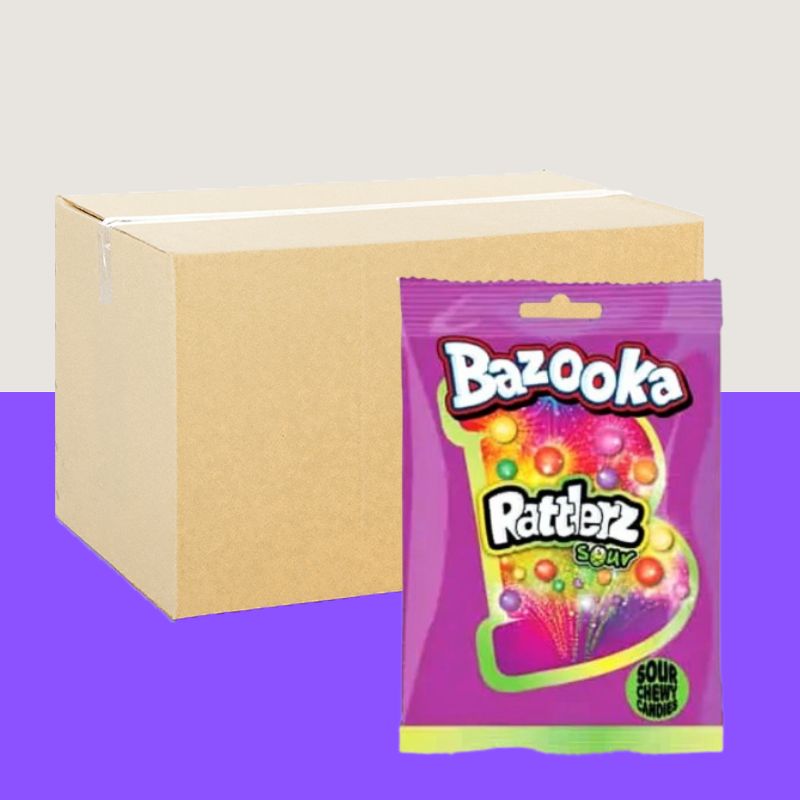
We stock everything from classic British retro sweets to the latest bag drops from the big brands. Boiled sweets, fizzy gummies, chewy bars, jelly shapes, sour belts, toffees, mints — it’s all here. If it’s a sweet and it’s good, we’ve either got it or we’ve tried to get it.
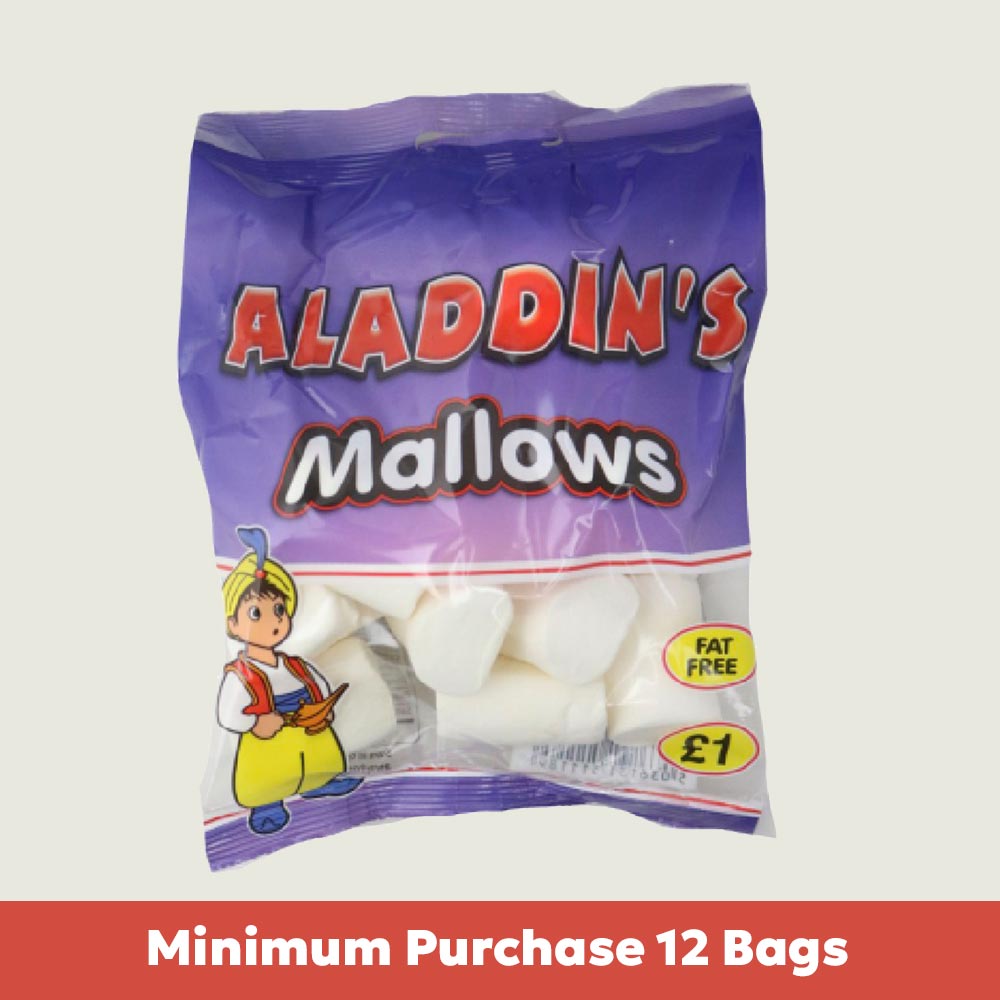
Most bags are £1 each, which means you can fill your basket with a proper variety without having to think too hard about the maths. Orders over £20 get free UK delivery, so stocking up genuinely makes sense.
A Very British Obsession
Britain has had a serious sweet tooth for a long time. The earliest confections were simple honey-based treats, and sugar only became widely available after medieval trade routes brought it over from the Middle East. For centuries it was expensive enough to be a luxury item, reserved for the wealthy. The Industrial Revolution changed all of that. Falling sugar prices and new factory machinery meant sweets could be made at scale and sold cheaply enough for ordinary people to buy them regularly.
By the Victorian era, the sweet industry was booming. The Great Exhibition of 1851 was a turning point, showcasing steam-powered machinery capable of boiling sugar to precise temperatures and shaping thousands of identical pieces. What had been a cottage craft became a proper industry practically overnight. Many of the brands that still line shop shelves today trace their roots back to that period.
Rationing and the Rush Back to the Sweet Shop
Sweet rationing in the UK began in July 1942 when wartime demand far outstripped supply. It carried on long after the war ended, with sweets not finally coming off ration until 4th February 1953. That’s nearly eight years of making do. When the announcement came, it was so sudden that many shopkeepers didn’t believe it and kept asking customers for their coupons anyway.
When rationing did end for good, the effect on the confectionery market was dramatic. Factories ramped up production, new brands launched, and the post-war decades brought wave after wave of new sweets. The 1950s and 1960s gave us chewy fruit bars and fizzy novelties. By the 1970s, sweets had become a central part of British childhood, with bold flavours and playful packaging making the sweet aisle more exciting than it had ever been.
How Sweets Are Actually Made
Most sugar confectionery starts the same way: sugar and glucose syrup are mixed together, heated to dissolve, then cooked at high temperature. For hard boiled sweets, the mixture is cooked until the sugar reaches a high enough temperature to set into a clear, glassy texture when cooled. Chewy sweets like toffees and caramels are cooked to a lower temperature and often include butter or cream, which gives them that soft, pliable bite.
Gummy and jelly sweets work differently. They use gelatine or plant-based alternatives like pectin or starch to create their characteristic chew. The mixture is poured into moulds and left to set rather than being pulled or cut. By adjusting the ratio of ingredients, the cooking temperature, and the shaping method, manufacturers can produce an enormous range of textures from the same basic starting point. That’s why a cola bottle and a wine gum can feel completely different in your mouth even though both are broadly “jelly sweets”.
The Range You’ll Find Here
The sweets category on this site covers the full spread. Boiled sweets include classics like cola cubes, pear drops, and humbugs. Chewy sweets range from old-school penny chews to modern sour belts and foam shapes. Jelly and gummy sweets cover everything from Haribo-style bags through to British staples like wine gums and jelly babies. Then there are fizzy sweets, mints, lollies, liquorice, and plenty more besides.
We also stock options for different dietary needs. Vegan sweets, halal-certified bags, and sugar-free varieties all sit within the wider category, so there’s usually something that works regardless of what you’re looking for. With over 1,500 products listed, the honest answer is that browsing by subcategory is the quickest way to find what you want.
Why Buy Sweets Online
The obvious appeal is convenience. You’re not limited to whatever your local shop happens to have in stock, and you’re not paying high street prices for a small bag.
Buying online also makes it easy to mix brands and flavours across a single order, which is genuinely difficult to replicate on a high street run. Free UK delivery on orders over £20 means a proper haul of mixed bags works out well on price, and everything arrives at the door rather than melting in your car.