
Advent calendars are one of the most loved Christmas traditions in the UK. Every December, millions of people count down the days to Christmas morning with a daily treat. But how did this custom begin, and why do so many of us open doors to discover chocolate inside? Let’s unwrap the history and meaning of chocolate advent calendars.

The Origins of Advent Calendars
The idea of marking the days leading up to Christmas comes from 19th-century Germany. Families used chalk marks, candles, or simple paper calendars to count down the days of Advent—the Christian season of preparation before Christmas Day. By the early 20th century, printed Advent calendars with little doors became popular, and each door revealed a picture, a verse, or a small devotional phrase.
The Introduction of Chocolate Advent Calendars
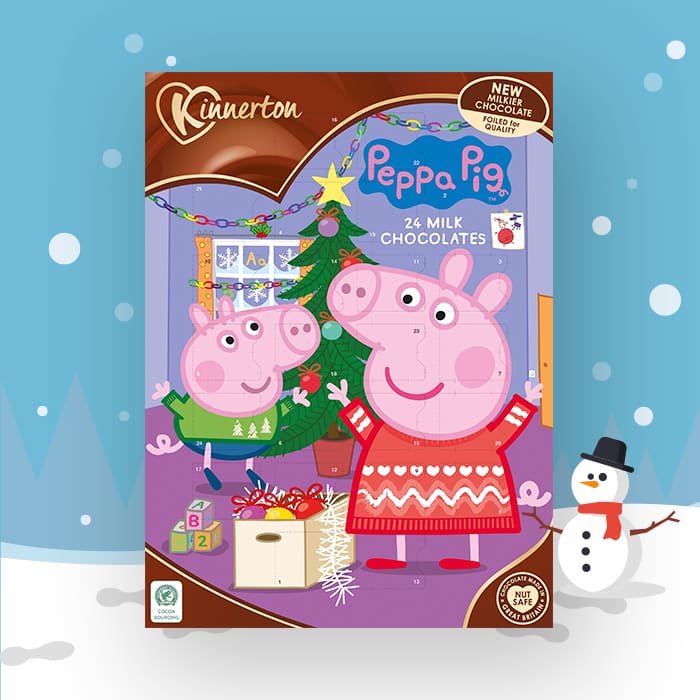
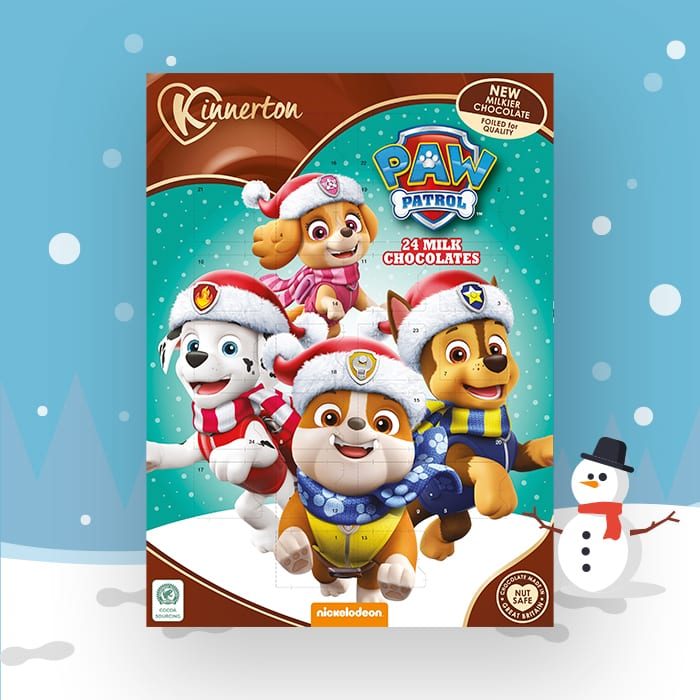
The first chocolate Advent calendars appeared in Germany in the 1950s. Chocolate makers spotted the opportunity to combine tradition with a daily sweet treat. Instead of a picture behind each door, a small piece of chocolate waited inside. This innovation proved irresistible, especially to children, and the idea spread quickly across Europe and beyond.
Why Chocolate Became the Favourite
Chocolate was the perfect choice for Advent calendars because it felt indulgent, festive, and accessible. Unlike other treats, chocolate is easy to mould into small shapes, wrap securely, and enjoy in bite-sized portions. The variety of shapes—stars, snowmen, bells, and Santas—added extra magic to the countdown. Over time, chocolate became the standard filling, though calendars with toys, sweets, or even beauty products are now also popular.
A Blend of Tradition and Excitement
Today’s chocolate Advent calendars combine the anticipation of Christmas with the joy of a daily reward. They are just as much about building excitement as they are about celebrating tradition. For many families, choosing an Advent calendar is as much a part of Christmas as decorating the tree or hanging stockings. It’s a way to make every December morning feel special.
Modern Advent Calendars
While chocolate remains the most common choice, Advent calendars now come in all shapes and sizes—from luxury brands with gourmet chocolates to novelty calendars filled with sweets, biscuits, or toys. The modern Advent calendar shows how a tradition can adapt over time while still keeping its original purpose: marking the days until Christmas in a fun and meaningful way.
FAQs
Chocolate Advent calendars first appeared in Germany in the 1950s and soon spread to the UK and worldwide.
Chocolate is fun, festive, and easy to mould into small shapes. It adds excitement to the countdown and makes every day in December feel like a treat.
The earliest Advent calendars didn’t contain chocolate. Instead, they revealed a small picture, a religious verse, or even a candle to mark each day.
No—many adults enjoy them too. Today, luxury versions with premium chocolate are popular for grown-ups who want to share in the festive countdown.
Alongside chocolate Advent calendars, you can now find calendars filled with sweets, biscuits, toys, or even beauty products, giving people of all ages plenty of choice.