Why Are Bonbons Called Bonbons? The History Behind Britain’s Favourite Chewy Sweet
Most people have eaten bonbons their whole lives without once stopping to wonder where the name comes from. It is one of those words that sounds exactly like what it is, soft, round, slightly silly, very easy to say with your mouth full. As it turns out, that is not a coincidence.
TL;DR
Bonbon comes from the French word “bon,” meaning “good.” The doubled version was almost certainly borrowed from children’s speech, the way a toddler repeats a word to show they really mean it. It was used in France from at least the 1600s to describe small sugar sweets. When it crossed into English it kept the name but gradually changed into something quite different from what France meant by it.
-
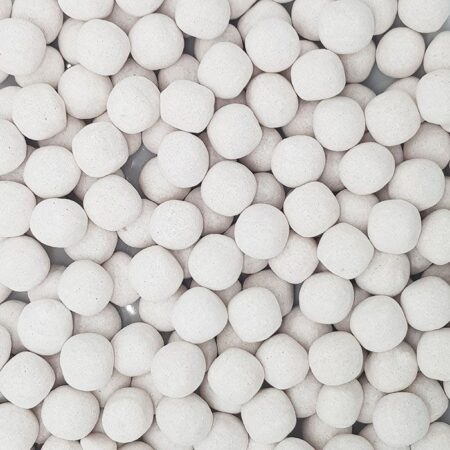
Toffee Bonbons 140g
£1.00 -
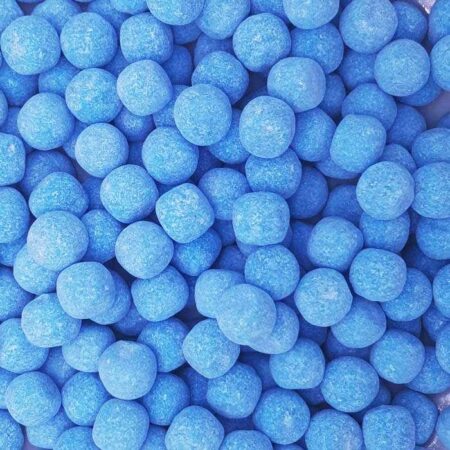
Blue Raspberry Bonbons 100g
£1.00
Where Does the Word Bonbon Come From?
“Bon” is French for “good.” Bonbon is just that word said twice.
The doubling is a feature of language called reduplication, and it shows up across dozens of languages, usually in contexts involving children, food, or affection. Think of how toddlers talk. When something is really good, saying it once is not enough. The theory most commonly put forward is that “bonbon” started life as nursery slang, the kind of word a child used for something sweet and desirable, and adults picked it up from there.
The first recorded uses in French date from the 17th century. At that point, sugar was expensive and confectionery was a luxury. Small sugar-coated sweets were part of court life, served at celebrations, given as gifts. The word “bonbon” attached to them and stayed.
By the 18th century it had spread beyond France. It started turning up in English writing, usually to describe fancy sugar confections in the French style. By the 19th century it had settled into British usage for good, though what it actually referred to was starting to shift.
The French Version and the British Version Are Not the Same Thing
This is the part that surprises most people.
In France, a bonbon is typically a small chocolate. It might have a ganache centre, a fruit filling, or a truffle core. That definition holds across most of continental Europe and in North America. If you ask for a bonbon in Paris you will get something quite different from what you would find in a British pick and mix jar.
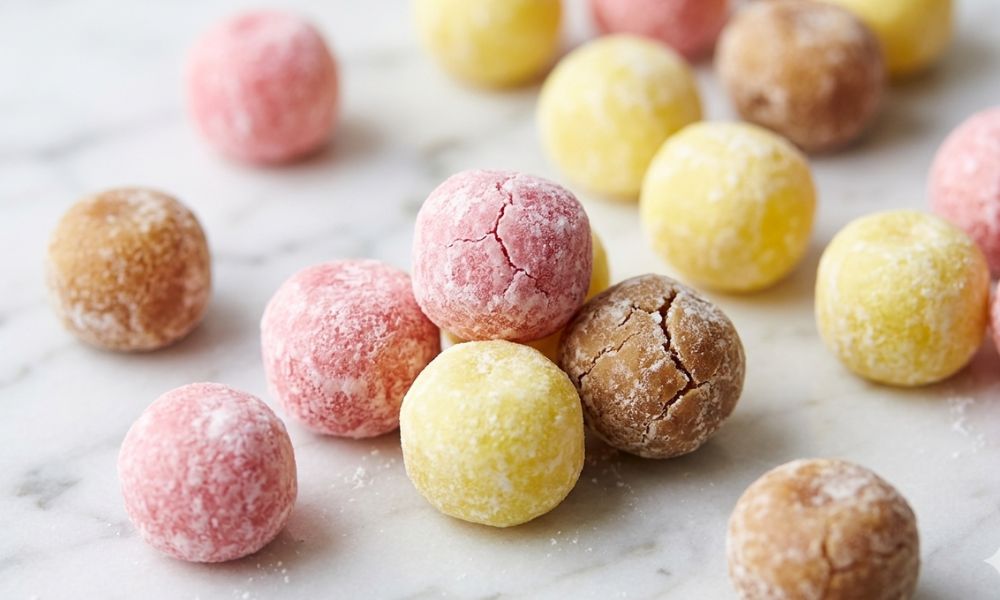
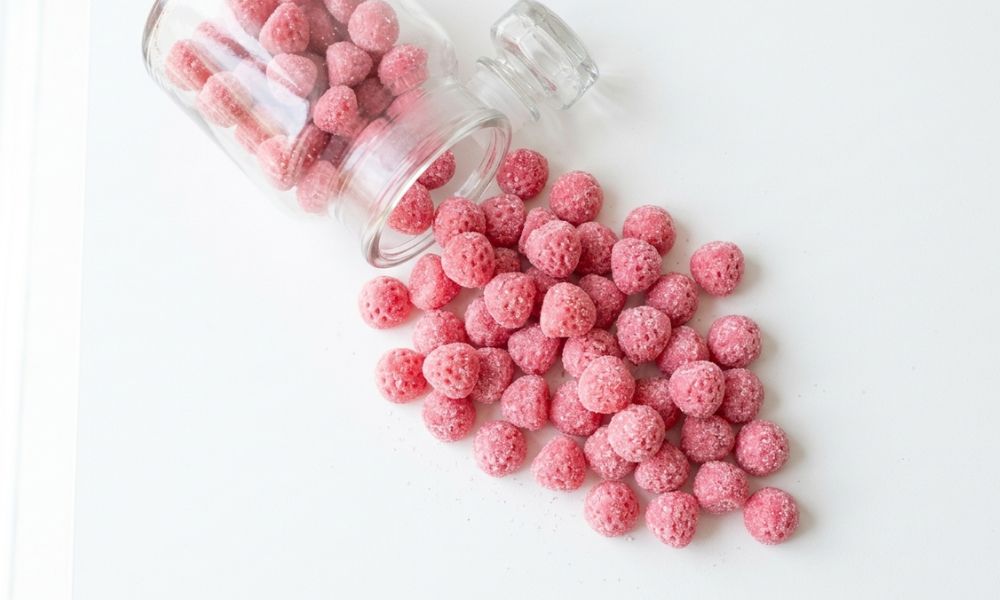
The British bonbon is a chewy sweet. Small, round, dusty with fine sugar, soft in the middle. The two versions share a name and a very general concept, small sweet thing, but they diverged somewhere along the way.
That divergence is tied to how Britain developed its own sweet-making industry through the 1800s. Cities like Leeds, York, and Sheffield became centres of confectionery manufacturing. The raw materials were available, the skills were there, and a distinctly British style of sweet emerged. The bonbon that developed here was shaped by what worked in a glass jar on a shop counter, what lasted, what sold well at a penny a piece. It ended up being something quite different from a French chocolate.
What a British Bonbon Actually Is
The chewy centre is made from sugar and glucose syrup, cooked and aerated to produce a texture that sits somewhere between a toffee and a foam sweet. Softer than a toffee, denser than a marshmallow. There is a slight resistance when you bite in, then it gives.
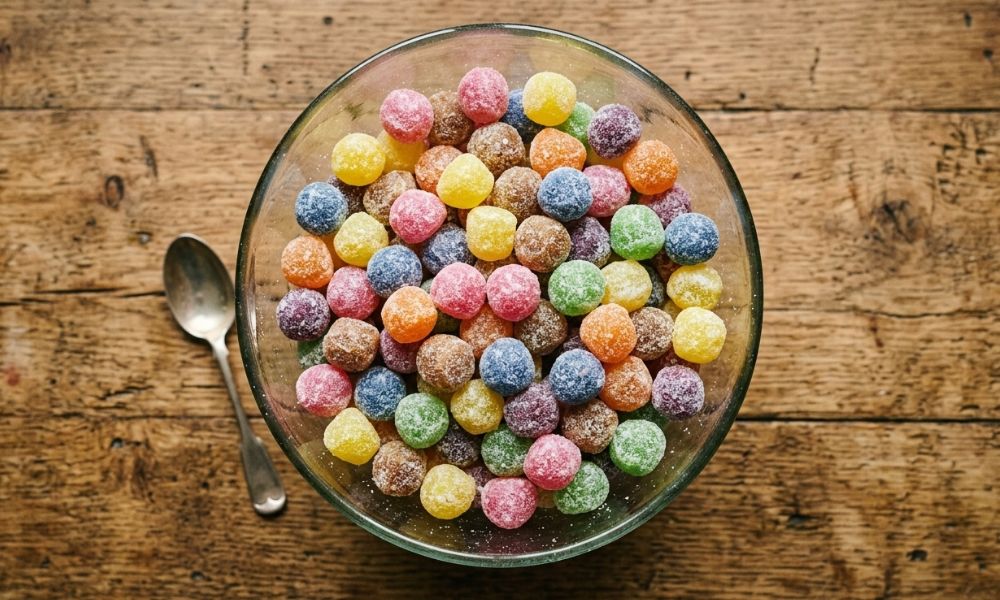
The outside is rolled in fine caster sugar. That coating is what you notice first, grainy on your fingers, slightly powdery against your tongue before the chew starts. It stops the sweets sticking together in the bag and gives each one a faint crunch at the start.
Flavouring is straightforward. Strawberry, lemon, and toffee are the classics. They have been the core bonbon flavours in British sweet shops for as long as anyone can remember, and they remain the most popular by some distance. You will also find blackcurrant, apple, blue raspberry, and sour variants depending on where you shop, but the original three are the ones most people think of first.
Why They Feel Nostalgic
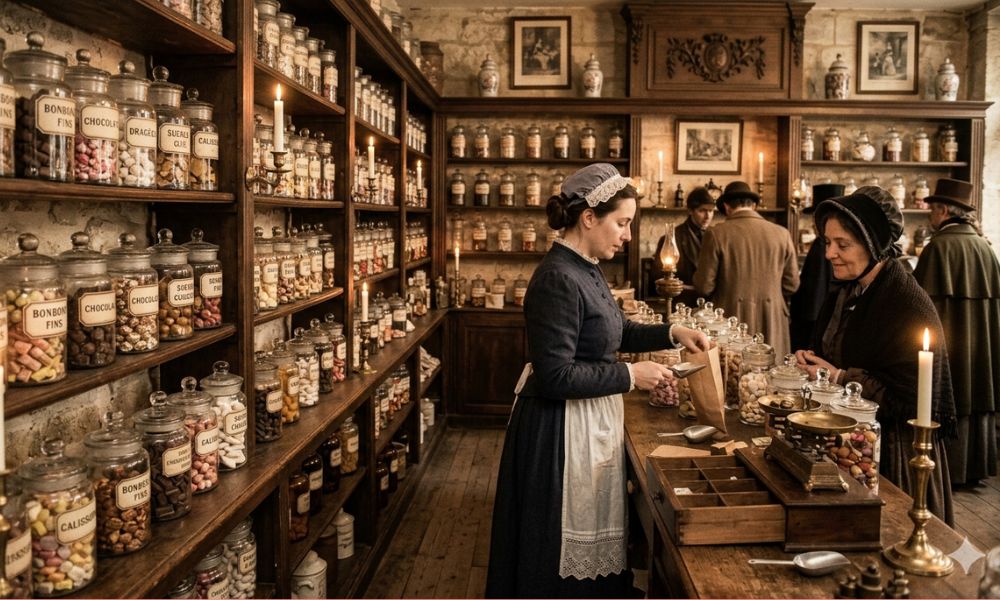
Bonbons do not come individually wrapped. They have never been marketed particularly hard. There is no mascot, no TV campaign built around them. They just sit in a jar and get bought by people who want them.
That ordinariness is part of what makes them feel old. They are sold the same way sweets were sold a hundred years ago, loose, by weight, tipped into a paper bag or a small tub. The format has not changed because it does not need to. It works.
For a lot of people in the UK, bonbons are attached to a specific memory rather than a current habit. A paper bag from a pick and mix counter. A jar at a grandparent’s house. A corner shop that does not exist any more. That kind of association cannot be manufactured. It builds up over decades of people having the same small experience, and bonbons have had a very long time to build it up.
Are Bonbons Vegetarian or Vegan?
The good news for vegetarians is that most bonbons do not contain gelatin. Unlike many chewy sweets where gelatin is doing the structural work, the texture in a bonbon comes from the cooked sugar base. Most are vegetarian without any modification to the recipe.
Vegan is slightly more complicated. Some bonbons use carnauba wax or beeswax in the coating, and some flavourings contain trace dairy derivatives. Worth checking the specific packaging before assuming.
On halal: most bonbons contain no pork-derived ingredients, and many are suitable for Muslim consumers. Formal halal certification varies brand by brand though, so the packaging is the reliable guide rather than any general rule.
How Bonbons Compare to Other Chewy Sweets
People sometimes lump bonbons in with toffees or foam sweets, but they sit in their own category.
Toffees are harder and denser, with a more pronounced dairy or caramel flavour. Foam sweets, like foam bananas or shrimps, are lighter and less chewy. Gummy sweets like cola bottles or jelly babies have a very different texture that comes from gelatin rather than a cooked sugar base. Bonbons are none of those things. The sugar coating alone puts them in a distinct category before you even get to the texture.
One practical difference worth mentioning: bonbons last. A single one takes a while to work through, which means a bag goes further than you might expect. For the money, they are one of the better value sweets around.
The Name Has Lasted Longer Than Almost Everything Else
Confectionery trends come and go. Products that were everywhere in the 1980s have disappeared entirely. New formats arrive and take over. The bonbon has sat through all of it, not at the centre of anything, not chasing trends, just quietly available in every sweet shop and online confectionery retailer that carries a proper retro range.
The word bonbon has been in use for around four hundred years. It started as French nursery slang for something sweet and good. It crossed the Channel, changed meaning, and settled into a specific product that bears almost no resemblance to what it originally described. The name stuck anyway, because it fits. It sounds like what it is: small, a bit silly, very easy to say, and very good.
Why is it called a bonbon?
The word comes from the French “bon,” meaning “good.” Saying it twice, bon-bon, was likely borrowed from the way young children speak, repeating a word to show they really mean it. It was used in 17th century France to describe small sugar sweets served at court and gradually worked its way into English usage over the following two centuries.
Are British bonbons the same as French bonbons?
They are not. In France, a bonbon is typically a small chocolate, often with a ganache or fruit filling. In Britain, the word refers to a chewy, sugar-dusted sweet with a soft centre. They share a name and very broad French origins, but the two products are genuinely different things. The British version developed its own identity through the 19th century sweet-making industry.
What are bonbons made from?
The chewy centre is made from sugar and glucose syrup, cooked and aerated to create that distinctive soft texture. The outside is coated in fine caster sugar, which gives each one its grainy, powdery exterior. Most bonbons do not contain gelatin, which is why they are suitable for vegetarians despite being a chewy sweet.
Are bonbons suitable for vegetarians?
Most are. The chewy texture in a bonbon comes from the cooked sugar base rather than gelatin, which is the ingredient that makes most gummy and jelly sweets unsuitable for vegetarians. Some bonbons contain trace dairy in the flavourings, so checking the specific packaging is worth doing if dairy is a concern for you.
What flavours do bonbons come in?
Strawberry, lemon, and toffee are the original British bonbon flavours and still the most widely sold. Beyond those you will find blackcurrant, apple, blue raspberry, and various sour options depending on the retailer. Online sweet shops generally carry a wider range than supermarkets or corner shops.