Halal Sweets in the UK: What They Are, Why They Matter, and the Best Brands to Buy
What Makes Sweets Halal? If you follow Islamic dietary guidelines, buying sweets in the UK can be frustrating. Packets rarely make it obvious whether they contain pork-derived gelatin or alcohol-based flavourings, and the ingredients list alone does not always tell you what you need to know. This article breaks down exactly what makes a sweet halal, which types of confectionery are most likely to be compliant, the UK brands you can trust, and what to look for when you are shopping.
TL;DR
Halal sweets contain no pork-derived gelatin, no alcohol, and no other haram ingredients. They must also be produced in a way that prevents cross-contamination with non-halal products. In the UK, brands like Sweetzone, Bebeto, Swizzels, Millions, and the Haribo Halal range are reliable choices. Always look for a halal certification mark on the packaging rather than assuming a product is compliant based on the ingredients list alone.
What Does Halal Mean?
The word “halal” comes from Arabic and means “permissible.” In the context of food, it refers to everything that is allowed under Islamic law as set out in the Quran and the Hadith. Its opposite is “haram,” meaning forbidden.
For most everyday foods, the halal rules are fairly straightforward. Pork and pork products are haram. Alcohol is haram. Animals used for meat must be slaughtered in a specific way with the name of Allah spoken at the time of slaughter. These are the principles that shape everything, including what goes into a bag of sweets.
What Makes a Sweet Halal?
Sweets have to clear several hurdles to be considered halal.
First, every ingredient must be permissible. That sounds simple, but the ingredient list in confectionery is often longer than you expect. Sugar, glucose syrup, citric acid and most fruit flavourings are generally fine. The issues come with gelatin, certain food colourings, glycerol, and some flavour carriers that use alcohol as a solvent.
Second, the manufacturing environment matters. A sweet that contains no haram ingredients can still be considered non-halal if it was produced on shared equipment that was not cleaned to halal standards between runs. Reputable halal certification bodies inspect factories, not just recipes.
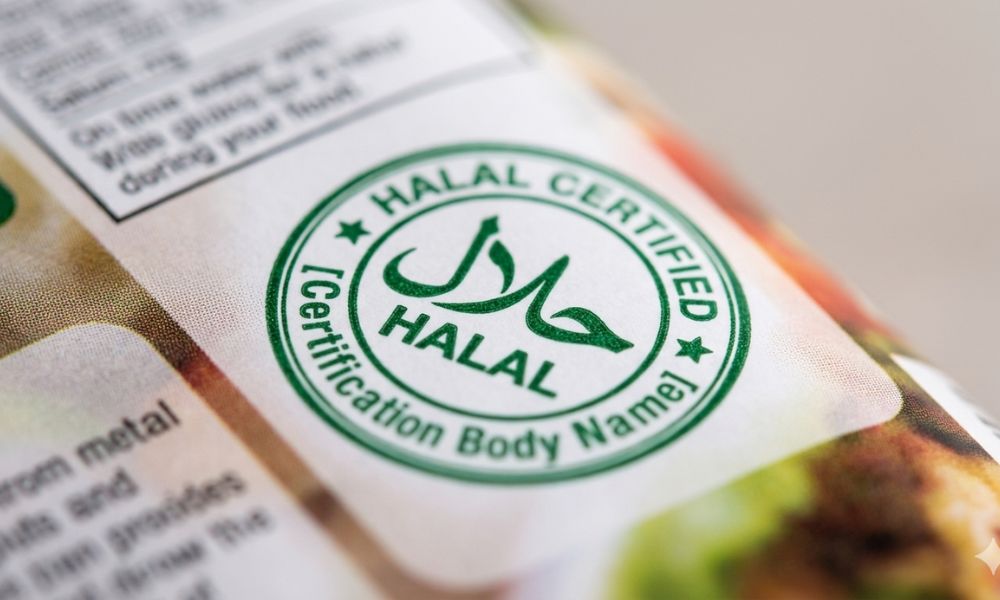
Third, for a product to carry a halal label, a recognised certification body must have signed off on both the formulation and the production process. In the UK, bodies like the Halal Food Authority (HFA) and the Halal Monitoring Committee (HMC) carry out this work. Their logos on packaging give you the clearest confirmation that a product is genuinely compliant.
The Gelatin Problem
Gelatin is the ingredient that catches most people out. It is what gives gummy sweets, jelly babies, and marshmallows their chewy texture. Standard gelatin is derived from pork, which makes it haram. Most mainstream sweets in the UK still use pork gelatin, including some well-known brands that otherwise seem like safe choices.
Halal-certified sweets use one of two alternatives. Beef gelatin is permissible provided the animal was slaughtered according to Islamic requirements. Plant-based alternatives, usually made from starch or carrageenan, are also used, and these are generally acceptable to all Muslim consumers regardless of which school of thought they follow.
When in doubt, check the packaging for the gelatin source. Some products will list “beef gelatin” in the ingredients. Others rely on the halal certification mark to communicate this. If neither is present and the product contains gelatin, it is safest to avoid it.
Which Types of Sweets Are Usually Halal?
Some categories of sweets are easier to make halal than others. Here is a general guide.
Boiled sweets and hard candies are usually halal by nature. They contain sugar, glucose syrup, flavourings and colourings but rarely any gelatin or animal products. Most boiled sweets, sherbet, and hard mints fall into this category, though you should still check for alcohol-based flavourings.
Foam and jelly sweets almost always contain gelatin. These include gummy bears, jelly worms, foam bananas, and similar products. The gelatin source is the key question. A halal-certified product in this category will use beef or plant-based gelatin.
Marshmallows contain gelatin too. Standard marshmallows are not halal. However, several brands now produce certified halal marshmallows using beef gelatin, so they are not off the table entirely.
Chocolate bars can be halal or non-halal depending on the filling and how they are made. Plain chocolate is generally fine. Sweets with chewy or jelly centres need closer inspection. Alcohol is occasionally used in chocolate flavourings, particularly in liqueur chocolates, so that is worth checking.
Liquorice often uses wheat flour and aniseed oil with no animal products, making many liquorice sweets acceptable. However, some brands do use trace amounts of haram ingredients in flavouring blends, so a certification mark is still the safest guide.
UK Brands That Make Halal Sweets
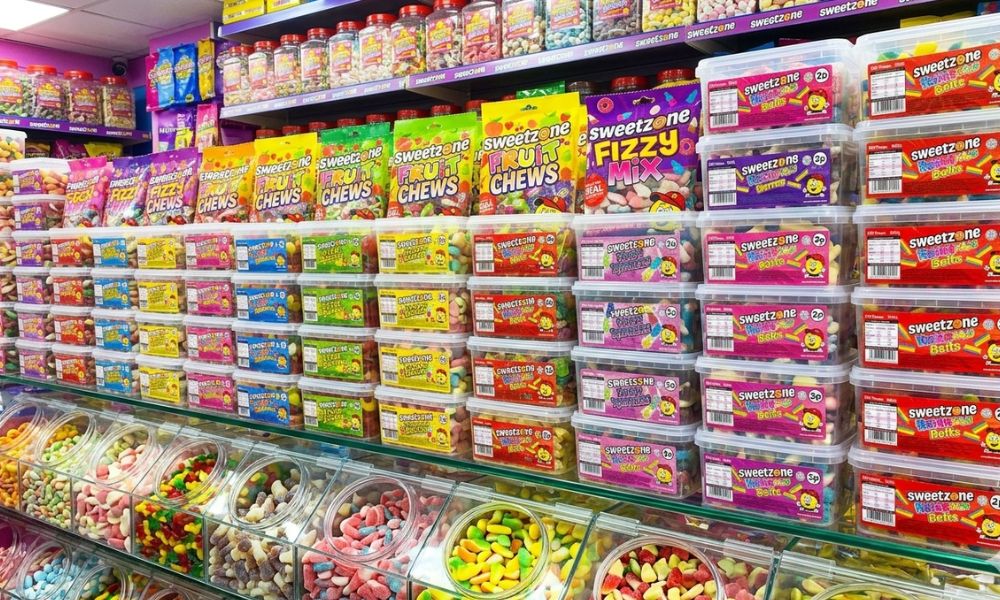
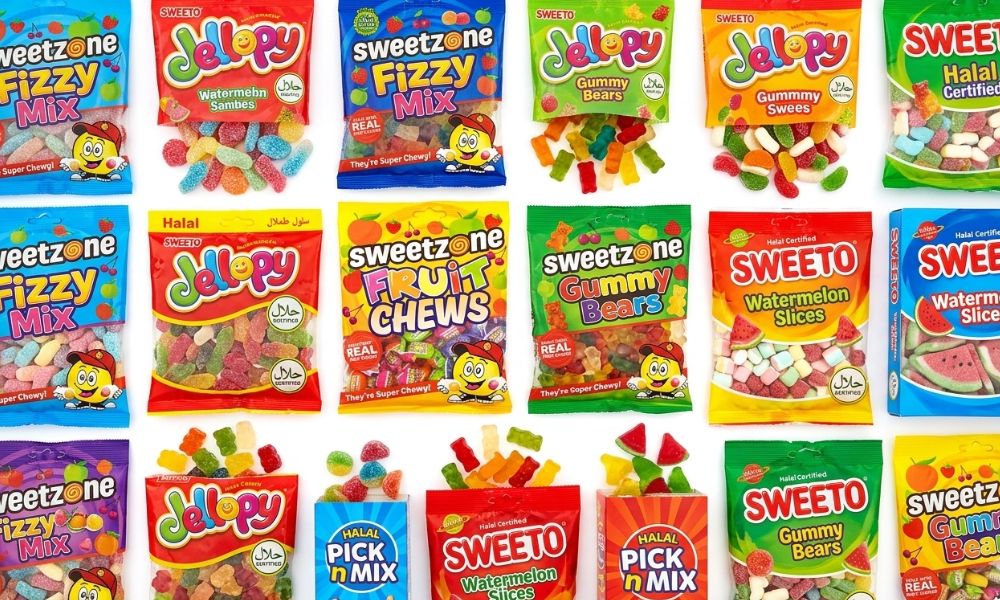
Sweetzone is one of the most prominent halal confectionery brands in the UK. The brand produces a wide range of gummies, fizzy belts, pencils, foam sweets, and tubs, all certified halal. Their products are clearly labelled and widely available online. If you are buying sweets for a halal household or Muslim guests, Sweetzone is one of the most reliable options going.
Bebeto, produced by the Turkish manufacturer Kervan, is another strong choice. Bebeto sweets are fully halal certified and cover gummy shapes, sour sweets, and jelly products. They are popular in the UK and widely available through online confectionery retailers.
Swizzels make some of the most recognisable British sweets, and the good news is that most of their classic products are halal. Love Hearts, Refreshers, Drumstick chews, and Parma Violets do not contain gelatin and are generally considered halal. Swizzels does not carry a formal halal certification mark on most products, but the formulations are largely free from haram ingredients. Check the packaging if you want to be certain.
Haribo produces a dedicated Halal range, which is made in their Turkish factory rather than their standard European facilities. The Haribo Halal products use beef gelatin and are certified accordingly. Look specifically for the halal label because not all Haribo products are compliant. The standard Starmix and other lines sold in the UK are not halal.
Millions sweets are another widely available option. They are small, chewy, sugar-coated sweets and they contain no gelatin, making them naturally halal-friendly. They are popular with children and adults alike and come in a wide range of flavours.
Fini, a Spanish brand, produces a range of halal-certified gummy and fizzy sweets that are sold in the UK. Their products carry halal certification and are a good option for pick and mix style buying.
Aladdins, which specialises in marshmallow products, produces halal marshmallows using beef gelatin. These are useful if you need marshmallows for a halal household.
How to Read Labels and Spot Halal Certification
The safest approach is always to look for a certification mark from a recognised body. In the UK, the most common ones are the HFA (Halal Food Authority) and the HMC (Halal Monitoring Committee). Both carry out factory inspections and ingredient verification before granting certification.
If there is no certification mark, you need to read the ingredients list carefully. Watch for these:
Gelatin with no source specified is almost certainly pork-derived. If the label just says “gelatin,” treat it as non-halal unless you have other confirmation.
Glycerol or glycerine can be animal-derived. In sweets it is most commonly plant-based, but it is not always clear from the label.
“Natural flavourings” is a vague term. Some natural flavourings use alcohol as a carrier. This is more common in chocolate-based products than in fruit-flavoured sweets.
Carmine (also listed as E120 or cochineal) is a red food colouring made from crushed insects. While not pork-derived, many scholars consider it non-halal. It appears in some red and pink-coloured confectionery.
Why Eating Halal Sweets Matters
For Muslims, following halal dietary rules is an act of worship. It is not simply a preference or a health choice. Consuming something haram, whether knowingly or unknowingly, is a matter of religious concern. This is why halal certification carries so much weight. It removes the uncertainty and allows Muslims to enjoy food without needing to second-guess every ingredient.
The obligation to eat halal applies to all Muslims regardless of age, which is why it matters particularly for children’s sweets. Most party bag sweets and pick and mix products in the UK are not halal by default. Parents buying sweets for their children, or hosts planning events for a mixed group that includes Muslim guests, need to be intentional about checking what they buy.
Beyond the religious obligation, there is a practical dimension too. When sweets are halal certified, it is generally because the manufacturer has been transparent about their sourcing and processes. That level of accountability in the supply chain benefits all consumers, not just those who are Muslim.
Halal Sweets for Parties and Events
One of the most common situations where halal sweets matter is at children’s parties. Schools, clubs, and community events in the UK increasingly need to cater for Muslim children, and the default party bag full of standard gummy sweets is not going to work.
Buying from brands like Sweetzone, Bebeto, or the Haribo Halal range means every child at the table can enjoy the same sweets. You do not need separate provisions and nobody feels excluded.
For Eid celebrations, weddings, and other Muslim events, buying in bulk from an online confectionery retailer is usually the most practical approach. You get a wider range of certified products, better prices than the high street, and the ability to put together a mix that covers different textures and flavours.
A word of caution: even if a retailer sells halal sweets, make sure the products you are ordering are individually certified. Some halal confectionery retailers also sell non-halal lines. Check the product descriptions rather than assuming everything on a halal-focused section of a website is certified.
Are all Haribo sweets halal?
No. Most standard Haribo products sold in the UK, including Starmix and Tangfastics, contain pork gelatin and are not halal. Haribo does produce a dedicated Halal range, made in their Turkish factory using beef gelatin. These products carry a halal certification mark, so look for that specifically before buying.
What is the difference between halal and vegetarian sweets?
Vegetarian sweets contain no meat products, which means they use plant-based gelatin alternatives rather than pork or beef gelatin. Halal sweets focus on Islamic dietary compliance, which also means no pork but does permit beef gelatin from an animal slaughtered in the correct way. A sweet can be vegetarian without being halal, and halal without being vegetarian. If you need sweets that work for both, look for products certified halal that also state they are free from gelatin entirely.
How do I know if a sweet contains pork gelatin?
If the ingredients list says “gelatin” without specifying the source, assume it is pork-derived. Halal products that use beef gelatin will typically state “beef gelatin” in the ingredients list, or the product will carry a halal certification mark from a recognised body such as the Halal Food Authority or the Halal Monitoring Committee.
Are Swizzels sweets halal?
Most Swizzels products do not contain gelatin and are free from pork-derived ingredients, making them generally acceptable. Popular lines like Love Hearts, Refreshers, Drumstick chews, and Parma Violets fall into this category. Swizzels does not carry an official halal certification mark on most of their products, so if you need formal certification rather than ingredient checking, brands like Sweetzone or the Haribo Halal range are a more straightforward choice.
Can Muslims eat sweets that contain E numbers?
Many E numbers are perfectly halal, including most colourings, acids, and emulsifiers. The ones to watch are E120 (carmine or cochineal), which is derived from insects and considered haram by most Islamic scholars, and E441 (gelatin), which is usually pork-derived unless specified otherwise. The presence of E numbers alone does not make a product non-halal. When in doubt, cross-reference the specific E number or look for a halal certification mark on the packaging.