The Great Wine Gum Mystery
Let’s get one thing straight before Aunt Maureen faints at the back: No, there is no actual alcohol in Wine Gums. Zero. Zilch. Nada. You can eat a whole packet before church, drive a bus immediately after, and even offer them to the vicar without fear of being judged.
But why on earth are they called “Wine Gums” then? Why would anyone slap the word wine on a chewy sweet that tastes nothing like a crisp Sauvignon or a cheeky Merlot? That, dear reader, is what we’re about to uncover. Grab a bag (preferably from One Pound Sweets, where you can pick up all sorts of varieties for just a quid), and let’s dive in.
-
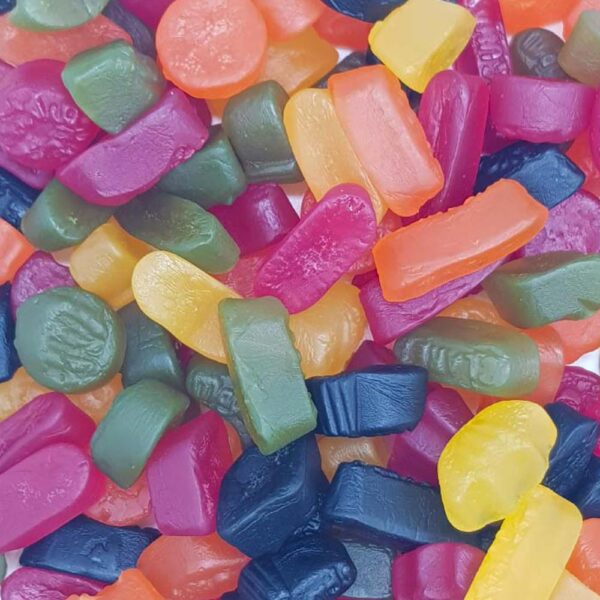
Wine Gums 140g
£1.00 -
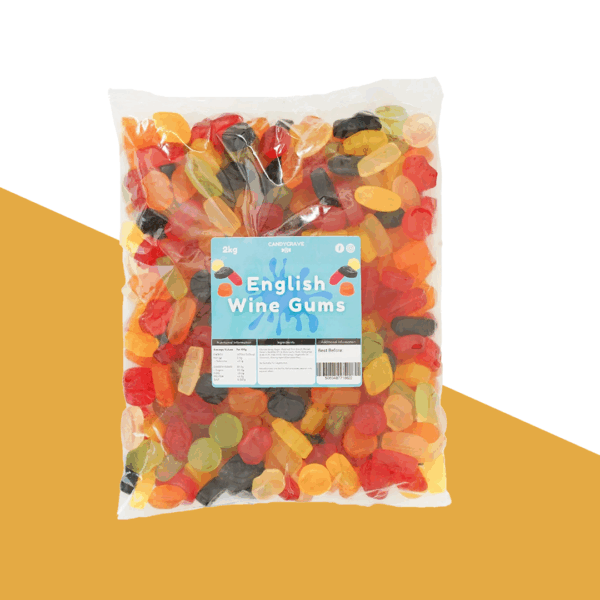
Candycrave English Wine Gums 2kg
£9.99 -
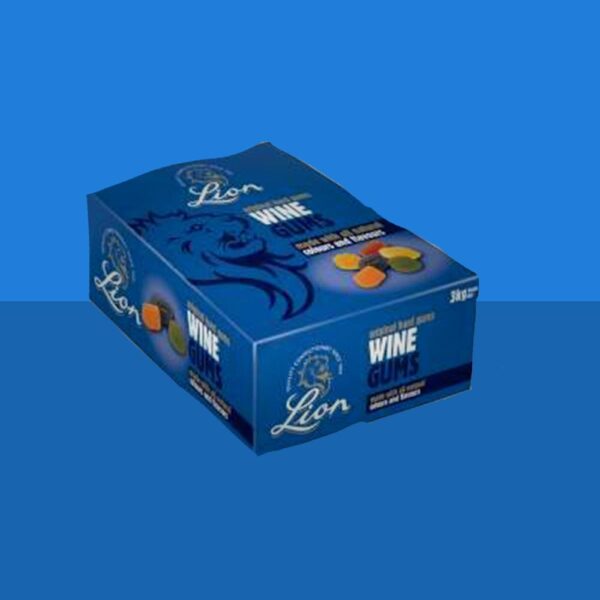
Lion’s Wine Gums 2kg Bulk Box
£20.00
The Origins of Wine Gums: A Tale of Temperance and Trickery
The story of Wine Gums begins in the early 20th century. Created by Charles Riley Maynard in 1909, these chewy sweets were meant to be a more “grown-up” alternative to traditional fruity chews.
The irony? Charles’s father, a strict Methodist, was horrified at the idea of a sweet associated with alcohol. When Charles presented his invention, his father reportedly almost disowned him. But once he realised there was no actual wine involved, he calmed down and gave his blessing.
So Wine Gums were born—not as a boozy treat, but as a clever marketing ploy to make sweets seem sophisticated, even refined. Imagine handing someone a packet and saying, “Ah yes, I prefer the Blackcurrant Vintage 1909 myself.”
Why Are They Called “Wine Gums”?
It’s all in the branding, baby. The idea was to encourage adults to think of Wine Gums as a grown-up indulgence rather than childish candy. The sweets were even stamped with names like Port, Sherry, Champagne, and Claret—though the closest they’ve ever come to a vineyard is probably a grape-flavoured one rolling under your sofa.
The genius of the name stuck, and over 100 years later, we’re still arguing at dinner parties about whether there’s actual wine in them (spoiler: there isn’t).
Do Wine Gums Contain Alcohol?
Let’s settle this once and for all: Wine Gums contain absolutely no alcohol. None in the past, none in the present, none in the foreseeable future (though don’t give the craft beer industry ideas).
Wine Gums are made with fruit flavourings, glucose syrup, starch, and good old-fashioned gelatin (making them unsuitable for vegetarians, but we’ll get to that). They’re chewy, tangy, and sweet—but as sober as a Sunday morning.
So yes, kids can eat them, your gran can eat them, and even your dog would eat them if you let them (but don’t, unless you want to fund an emergency vet bill).
-
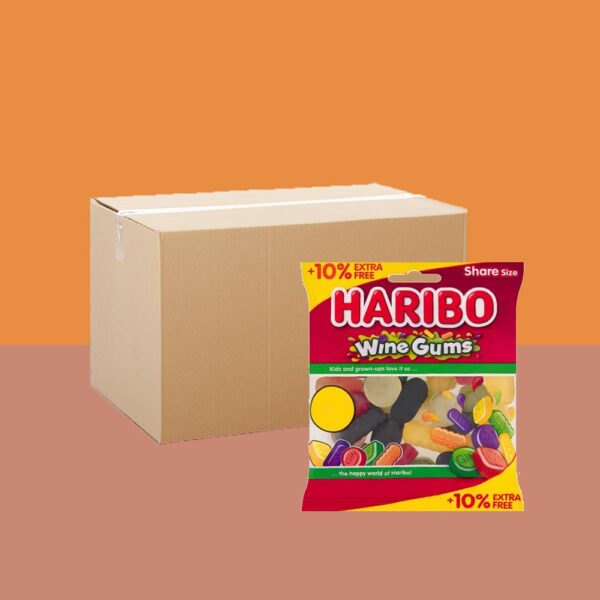
Haribo Wine Gums 140g x12
£14.99 -
Vegan Wine Gums 140g
£1.00 -
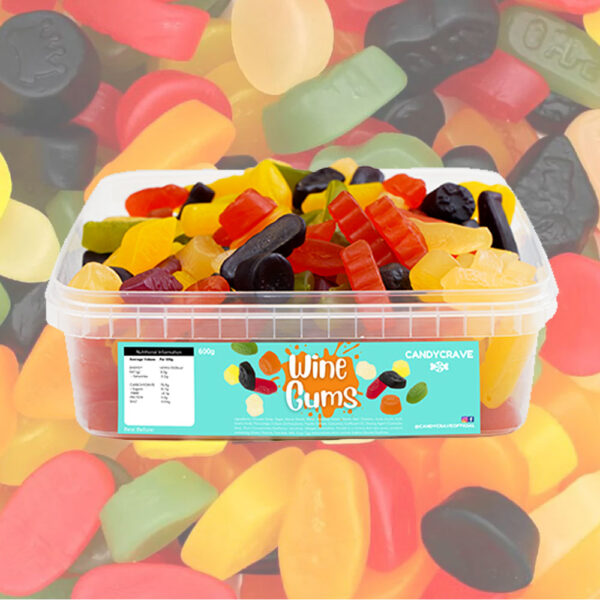
Candycrave Wine Gums Tub 600g
£4.99
Flavours and Favourites
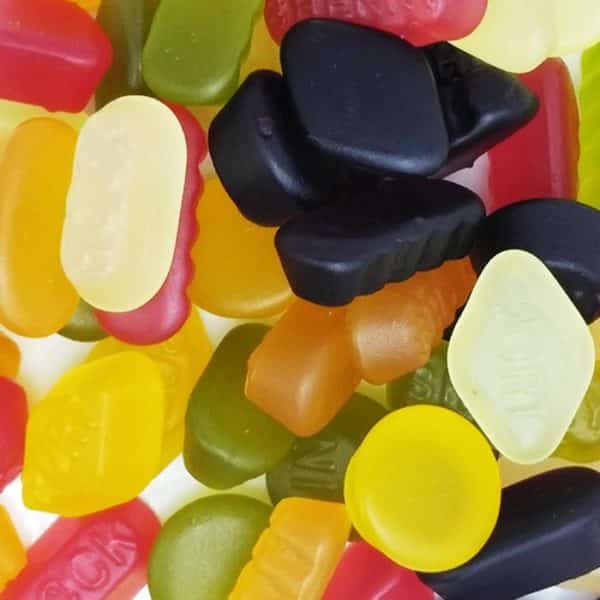
Wine Gums come in a rainbow of colours and flavours, but ask any group of people which is the best and you’ll start a fight fiercer than a Christmas Monopoly game.
- Black (Blackcurrant or sometimes “mystery dark fruit”) – The crown jewel. Always eaten first. Always fought over.
- Red (Strawberry or Raspberry) – Popular, juicy, and usually second best.
- Green (Lime or occasionally Apple) – Fresh and zingy.
- Yellow (Lemon) – Solid, reliable, a bit like the friend who drives everyone home.
- Orange (…Orange) – Self-explanatory and often underrated.
Pro tip: If you get a packet with too many yellows, it’s legally acceptable to complain to your sibling and swap.
Different Packets and Styles of Wine Gums
Wine Gums aren’t just one bag anymore. Oh no, the sweet industry went wild. Here’s what you’ll find:
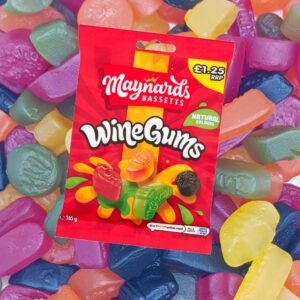
1. Classic Maynards Bassetts Wine Gums
The OG. Rolled out in tubes, hanging bags, and family-sized share packs. Colourful, chewy, and the standard by which all others are judged.
2. Pastilles and Mini Wine Gums
Because sometimes you want smaller chews you can eat in bulk while watching The Great British Bake Off.
3. Jelly Babies vs Wine Gums Combo Bags
For the indecisive among us who want chaos in packet form.
4. Supermarkets’ Own Versions
Tesco, Sainsbury’s, Lidl—you name it, they’ve all got their own “wine gums”. Are they the same? Sort of. Are they better? That’s a debate for another day.
5. International Wine Gums
Believe it or not, Canadians are obsessed with Wine Gums. They sell them in giant bags and call them a national treasure. Who knew?
Because sometimes you want smaller chews you can eat in bulk while watching The Great British Bake Off.
Manufacturers of Wine Gums
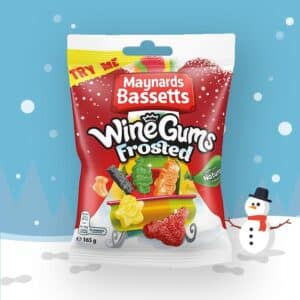
The original—and still reigning champion—is Maynards Bassetts (owned by Mondelez International). But other companies have hopped on the chewy bandwagon, offering “wine gums” under different names.
- Maynards Bassetts – The household name, UK classic.
- Haribo – Not technically wine gums, but they’ve got similar chewy sweets.
- Supermarket brands – A budget-friendly version that’s surprisingly decent.
- Niche confectioners – Often try to reinvent the wine gum with sour twists or vegetarian recipes.
Fun Facts About Wine Gums
- They’ve been around since 1909.
- Despite the name, they’ve never contained wine.
- They’re shaped like bottles, crowns, lozenges, and discs, adding to the whole “grown-up indulgence” vibe.
- A roll of Wine Gums was once smuggled into a Royal Opera House because someone didn’t want to rustle a crisp packet.
Where Can You Buy Them?
The easiest answer: everywhere. Supermarkets, corner shops, petrol stations, airports—you name it. But if you want to stock up without leaving your sofa, you can grab a variety of them at One Pound Sweets, where prices start at just £1.
👉 Shop Wine Gums at One Pound Sweets
The Sobering Truth
So, is there alcohol in Wine Gums? Absolutely not. But there is joy, nostalgia, and the occasional argument about which colour is best. From their Methodist-scandal beginnings to their status as a UK sweet shop staple, Wine Gums remain a chewy enigma—best enjoyed with friends, family, or sneakily on your own when you don’t want to share.
If you want to experience this iconic British sweet yourself, head over to One Pound Sweets, where you’ll find Wine Gums in rolls, bags, and share packs—all starting at just £1.
No, Wine Gums do not contain alcohol. Despite the name, they are fruit-flavoured chewy sweets.
The name was chosen to make them feel more sophisticated and adult-like, with sweets stamped with names like “Port” and “Sherry.”
Charles Riley Maynard created Wine Gums in 1909 in the UK.
Most traditional Wine Gums contain gelatin, so they are not vegetarian. Some modern alternatives do exist without gelatin.
Wine Gums typically come in blackcurrant, strawberry/raspberry, lemon, orange, and lime flavours.